November 4, 2026
Adding a fence to your property can improve privacy, strengthen security, define boundaries, and enhance your outdoor space. However, achieving these benefits requires more than selecting an attractive design. Property owners must consider their goals, available space, material options, and the condition of the installation area before construction begins.
A well-planned project also helps property owners anticipate potential challenges before construction begins. From confirming boundary lines to choosing a suitable fence style, each decision contributes to the final result. Knowing how contractors approach these responsibilities makes it easier to evaluate proposals and prepare for a smooth installation process.
Professional fence installation provides a structured approach to these decisions, helping ensure the finished fence meets your property's functional needs and complements its appearance. Understanding what happens throughout the process can also help you prepare for the project, communicate your preferences, and know what to expect from your installation team.
Planning and Preparing for Your Fencing Project
Assessing Your Property and Establishing Goals
The first stage of a fencing project involves identifying what you want the finished structure to accomplish. Some property owners prioritize privacy around patios and backyards, while others need a secure enclosure for children, pets, swimming pools, or commercial equipment. Your goals will influence the fence's height, placement, design, and material.
During the initial consultation, a professional installer can discuss your priorities and evaluate the property's layout. Slopes, landscaping, existing structures, and access points may affect the design. Discussing these details early helps establish a practical plan that balances appearance, functionality, and budget.
Measuring Boundaries and Estimating Materials
Accurate measurements are essential for determining the amount of fencing required and estimating the project's overall cost. According to HomeGuide, enclosing one acre generally calls for approximately 850 to 900 linear feet or more of fencing, depending on the property's shape. This illustrates why acreage alone cannot determine how much material your project will need.
During professional fence installation, contractors measure the proposed fence line, identify corners, and account for gates and changes in elevation. Property owners should also verify their boundaries and review any applicable neighborhood restrictions before work begins. These steps help prevent disputes, minimize material waste, and establish a more accurate project estimate.
Preparing the Installation Area
Once the layout is established, property owners may need to clear vegetation, remove debris, and relocate objects that obstruct the planned fence line. Installers may identify additional preparation needs after inspecting the ground, particularly when tree roots, uneven terrain, or existing structures could complicate construction.
Underground utility lines must also be identified before digging begins. Property owners should arrange the required utility marking through the appropriate local service before excavation. A professional team can explain what preparation is necessary, clarify access requirements, and coordinate the work to help the project proceed safely and efficiently.
Choosing Materials and Finalizing the Design
Comparing Fence Materials and Styles
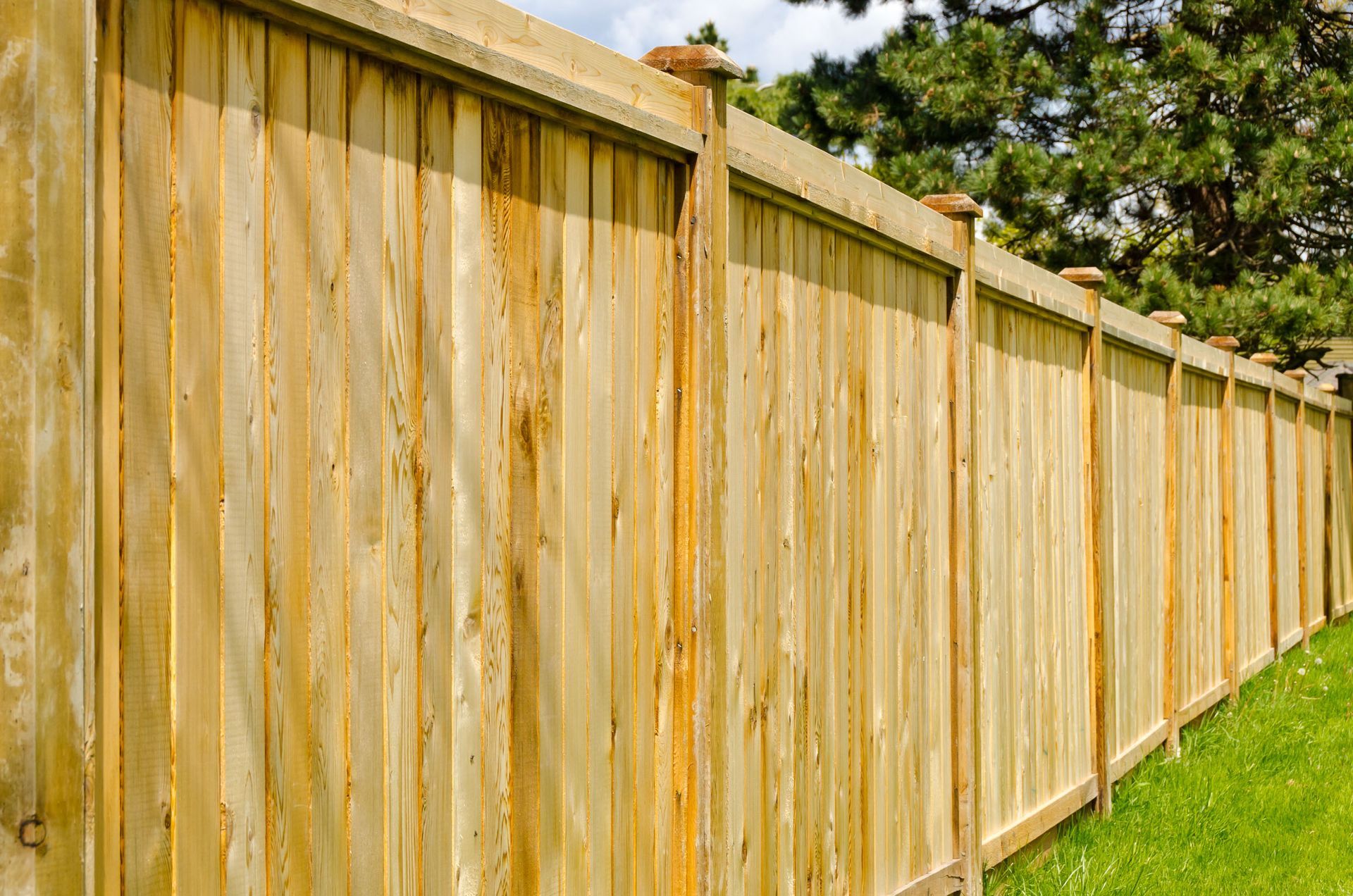
After evaluating your property, the next step is selecting a fence that suits your needs, budget, and preferred appearance. Vinyl, wood, aluminum, composite, and chain-link fencing each offer distinct advantages. Wood provides natural character and accommodates many design styles, while vinyl offers a clean appearance with relatively little upkeep. Aluminum resists rust, and chain-link fencing provides practical perimeter protection without completely blocking visibility.
Professional fence installation specialists can explain the differences between available materials and help you select an option that suits your property. They can also discuss decorative features, panel designs, and gate configurations that complement your home's architecture. Reviewing physical samples and brochures can make it easier to compare colors, textures, and finishes before committing to a particular style.
Understanding Project Costs and Timelines
Your project's cost will depend on several factors, including the fence's length, material, height, design complexity, and terrain. Additional gates, difficult access, and extensive site preparation may also affect the estimate. Requesting an itemized quote helps you understand the proposed scope of work and identify which features contribute most to the overall price.
Before construction begins, discuss the expected schedule, payment terms, and any potential delays with your contractor. Weather conditions, material availability, and unexpected obstacles can influence the timeline. Clear communication about these possibilities helps you plan around the work and understand when different stages should be completed.
Reviewing Warranties and Project Details
Before approving the final proposal, review the materials, installation specifications, estimated completion date, and warranty coverage. Some manufacturers offer extended warranties on particular fencing materials, while contractors may provide separate coverage for workmanship, parts, or labor. Understanding these distinctions helps you determine what protection applies if a problem develops after fence installation.
Ask your installer to clarify any terms you do not understand and confirm that the written agreement reflects your expectations. A qualified contractor should also be able to explain applicable licensing and insurance coverage. Reviewing these details before work begins establishes clear expectations and gives you a better understanding of the services included in your project.
Knowing What Happens During and After Installation
Installing Posts, Panels, and Gates
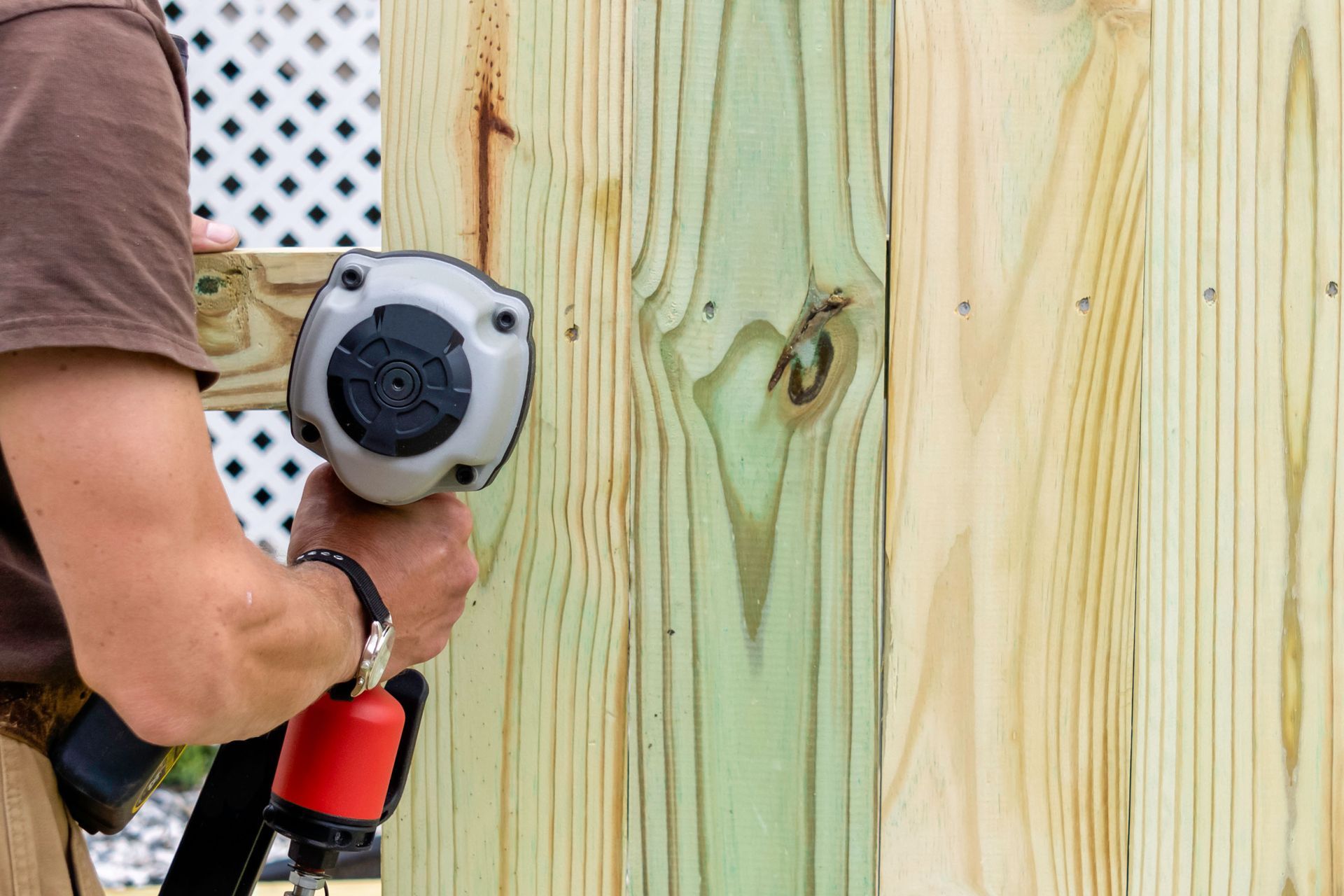
Once planning and preparation are complete, the installation team can begin marking the fence line and digging post holes. Post placement is particularly important because the posts support the fence and help keep its panels aligned. Installers must account for soil conditions, appropriate post depth, spacing, and the requirements of the selected fencing system.
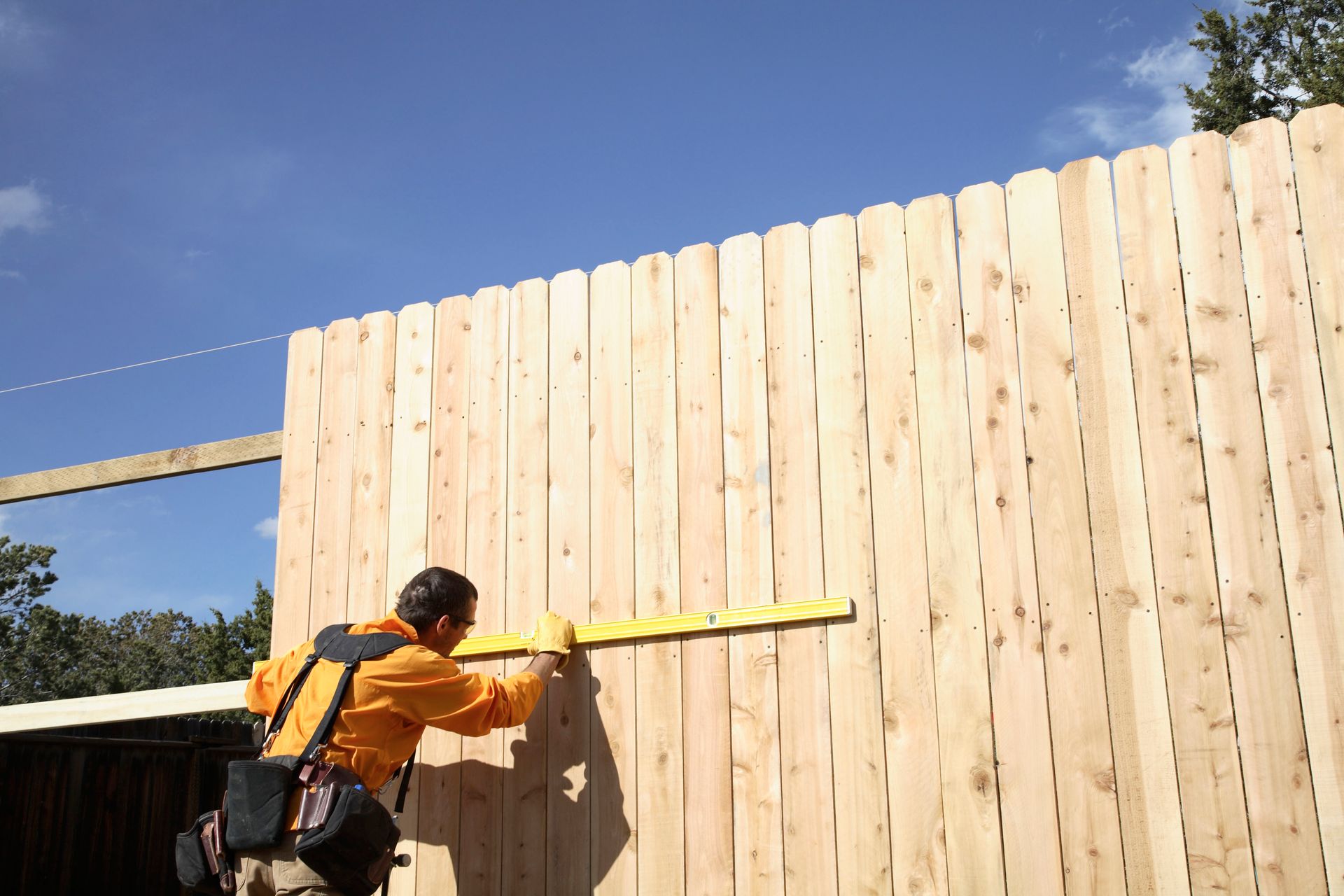
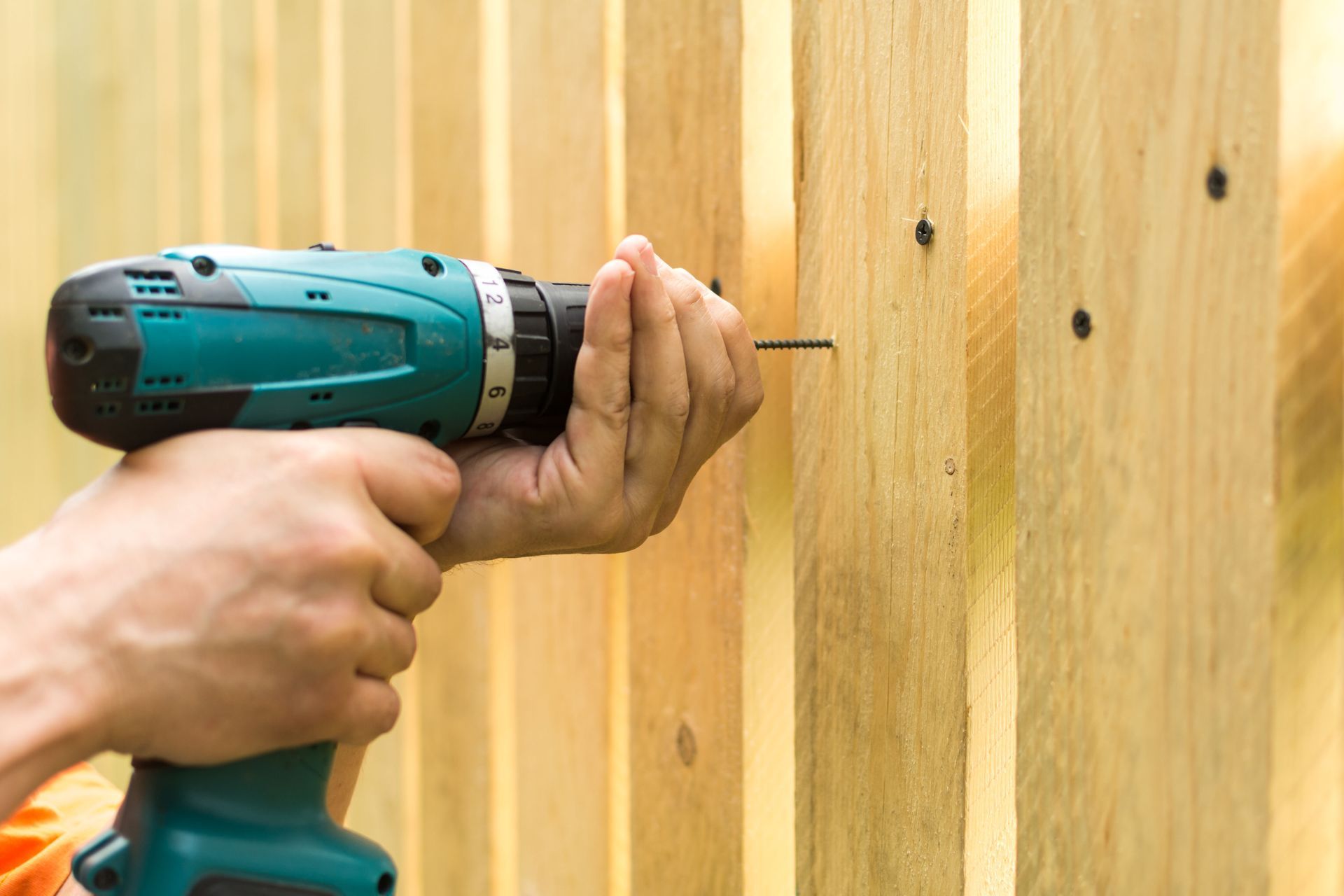
During fence installation, professionals secure the posts, attach the rails or panels, and position gates according to the approved design. They check alignment and stability as construction progresses, making adjustments when necessary. Proper assembly helps prevent uneven sections, loose components, and other issues that can affect the fence's appearance or performance.
Maintaining Communication Throughout the Project
Property owners should expect communication about progress, access requirements, and any unexpected conditions discovered during construction. For example, installers may encounter buried obstacles, challenging ground conditions, or discrepancies between the planned layout and the actual site. Discussing these issues before making significant changes helps prevent misunderstandings and keeps decisions consistent with the agreed-upon scope.
An experienced team should also explain any temporary limitations affecting the work area, such as restricted access to a driveway or backyard. Keeping pets and children away from active construction zones is another important precaution. By maintaining open communication with your contractor, you can address questions promptly and help the project move toward completion.
Inspecting the Finished Fence and Planning for Upkeep
After construction, inspect the completed fence installation. Check that the panels are aligned, the posts are stable, and the gates open and close properly. Look for visible damage, unfinished areas, or components that appear loose. This walkthrough provides an opportunity to discuss any concerns and clarify how the finished structure should function.
Although professionally installed fencing is designed to provide dependable performance, routine inspections can help identify wear before it becomes a larger problem. Wood may require periodic sealing or staining, while vinyl and aluminum generally need less intensive maintenance. Follow the manufacturer's care recommendations, keep vegetation from interfering with the fence, and ask your contractor about available repair services and warranty procedures.
Professional fence installation gives property owners a clear path from initial planning to a finished structure that supports their needs. By choosing appropriate materials, preparing the site, and working with an experienced contractor, you can create a fence that complements your property and serves its intended purpose. Contact Sam Fencing today to discuss your goals, review available options, and request an estimate for your project.